If you’ve ever watched a herd of cattle grazing peacefully across an open field, you might have wondered: are cows actually domesticated animals, or are they just wild animals we’ve learned to manage?
It’s a surprisingly interesting question, and the answer has a lot to do with why farm-raised beef tastes so different from anything you’ll find at a grocery store.
Yes, Cows Are Domesticated (and Have Been for Thousands of Years)
Cows are one of the oldest domesticated animals on the planet.
Modern cattle are descended from the aurochs (Bos primigenius), a large wild bovine that roamed Europe, Asia, and North Africa.
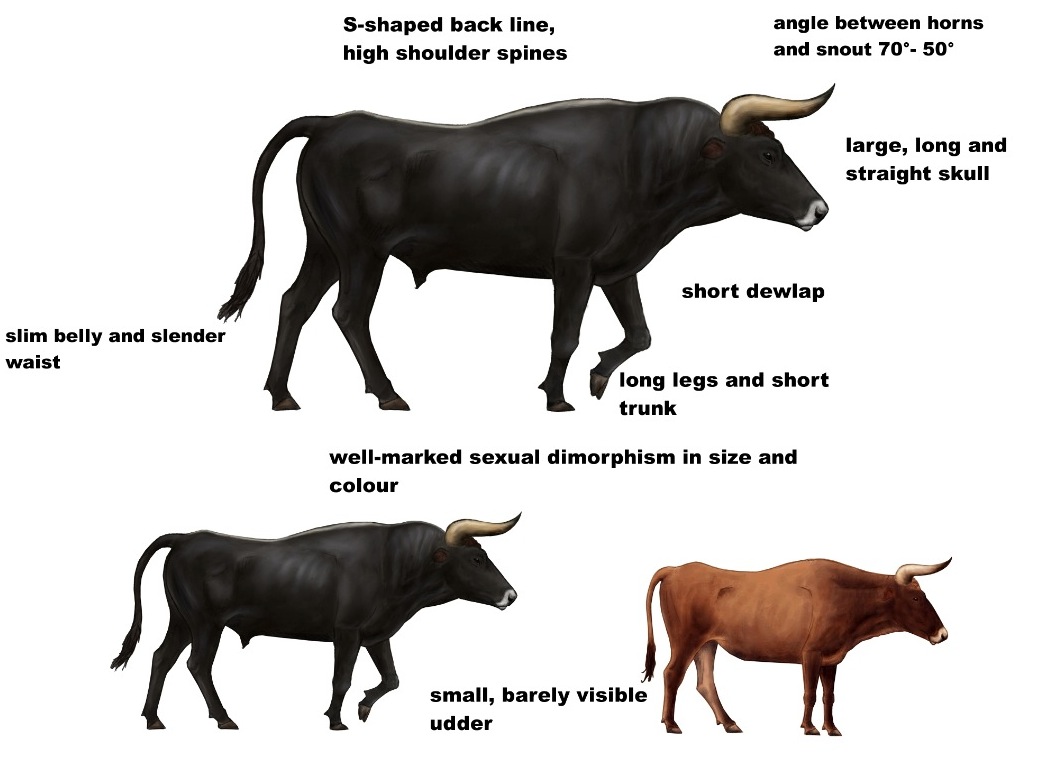
Archaeological evidence suggests that cattle were first domesticated around 10,000 years ago in the Near East, roughly around the same time humans began farming.
Over thousands of years of selective breeding, cattle were shaped to be calmer, more manageable, and better suited for providing milk, meat, and labor.
Today’s domesticated cow looks and behaves very differently from its wild ancestor — the aurochs actually went extinct in 1627, the last known individual dying in Poland.
What Does “Domesticated” Actually Mean?
Domestication isn’t just about taming a wild animal. It’s a multi-generational process where humans selectively breed animals for specific traits:
- temperament
- size
- milk production
- muscle development
- and more
True domestication means the animal has been genetically changed over time to live alongside humans.
By that definition, cattle are fully domesticated. They rely on human care for food, shelter, veterinary attention, and breeding management.
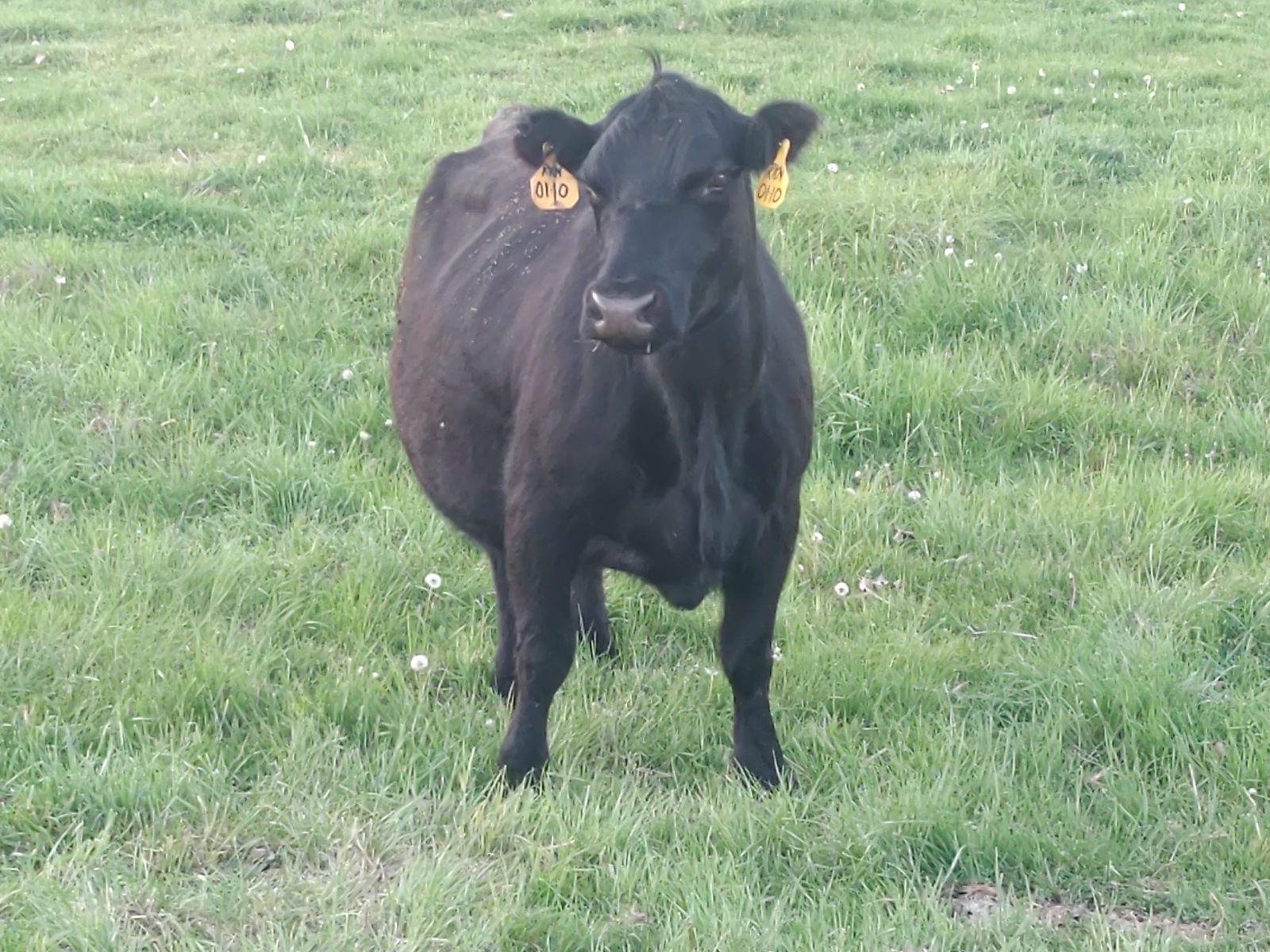
Left entirely on their own, domestic cattle can survive in the wild to some degree, but they are far less equipped than their wild ancestors were.
Not All Cattle Are Raised the Same Way
Here’s where it gets relevant to your dinner table.
While all modern cattle are domesticated, the way they are raised can vary significantly. Those differences can influence the characteristic of the beef.
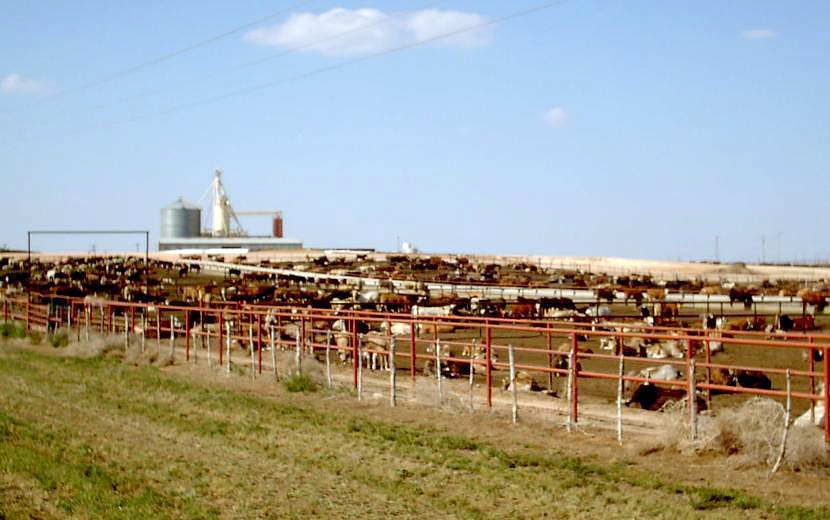
In the United States, many cattle are finished in feedlots, where they are typically fed a grain-based diet and carefully managed to ensure consistent growth and supply. This allows farmers to produce beef efficiently and at scale, helping meet nationwide demand.
Other cattle are raised with access to pasture, where they graze and are managed in more open environments. Diets and finishing methods can vary, which leads to differences in flavor, texture, and overall eating experience.
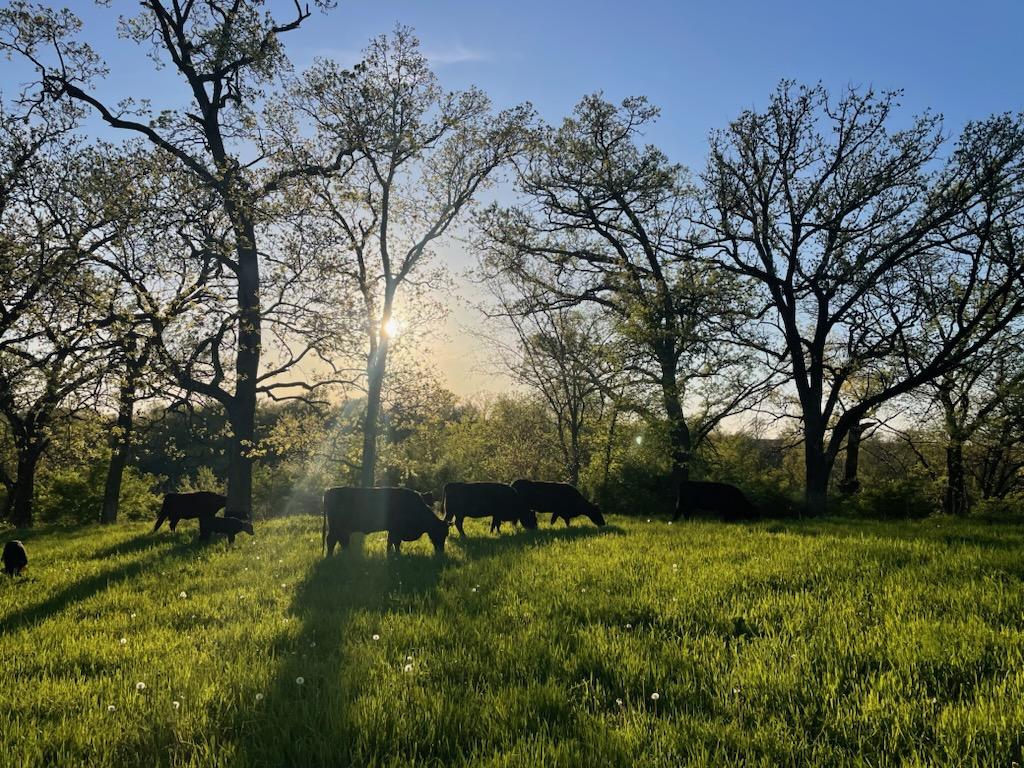
At Nadig Farms, our Angus cattle spend much of their time on pasture here in Northern Illinois.
Along with grazing, their diet includes grain and silage to support steady growth and consistent beef quality. The result is beef with richer flavor, better fat marbling, and more of the nutrients your body actually wants.
Why Angus Cattle Specifically?
Angus is one of the most respected beef breeds in the world, and for good reason.
Originally from Scotland, Angus cattle were bred for their exceptional meat quality:
- fine-grained texture
- natural marbling
- consistent flavor
They’re also hardy animals that do well on pasture, which makes them a natural fit for family farms like ours.
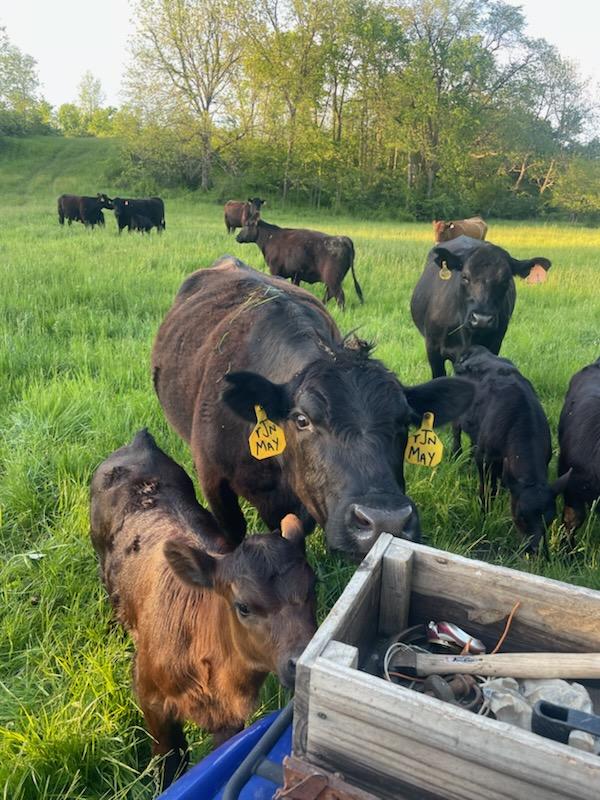
When you buy Angus beef from Nadig Farms, you’re getting an animal that was raised the way cattle were meant to be raised:
- outdoors
- on pasture
- with space to move and graze
From Domestication to Your Freezer
The 10,000-year relationship between humans and cattle is a remarkable story.
What started as wild aurochs has become one of the most important food sources in human history — and the best version of that story is still being written on small family farms.
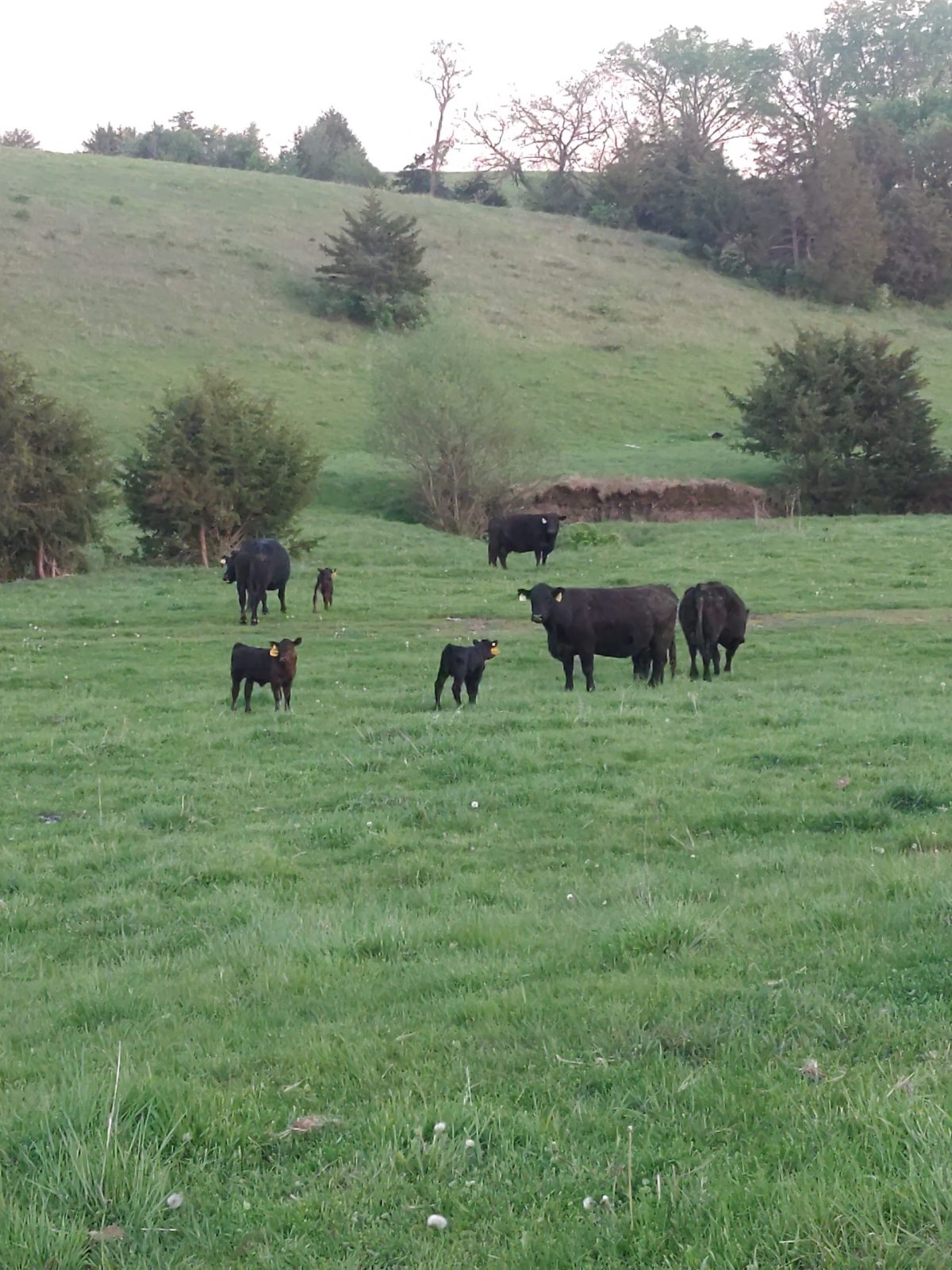
At Nadig Farms, we take that responsibility seriously. Every animal is raised with care, processed locally, and delivered to your family vacuum-sealed and frozen at peak freshness.
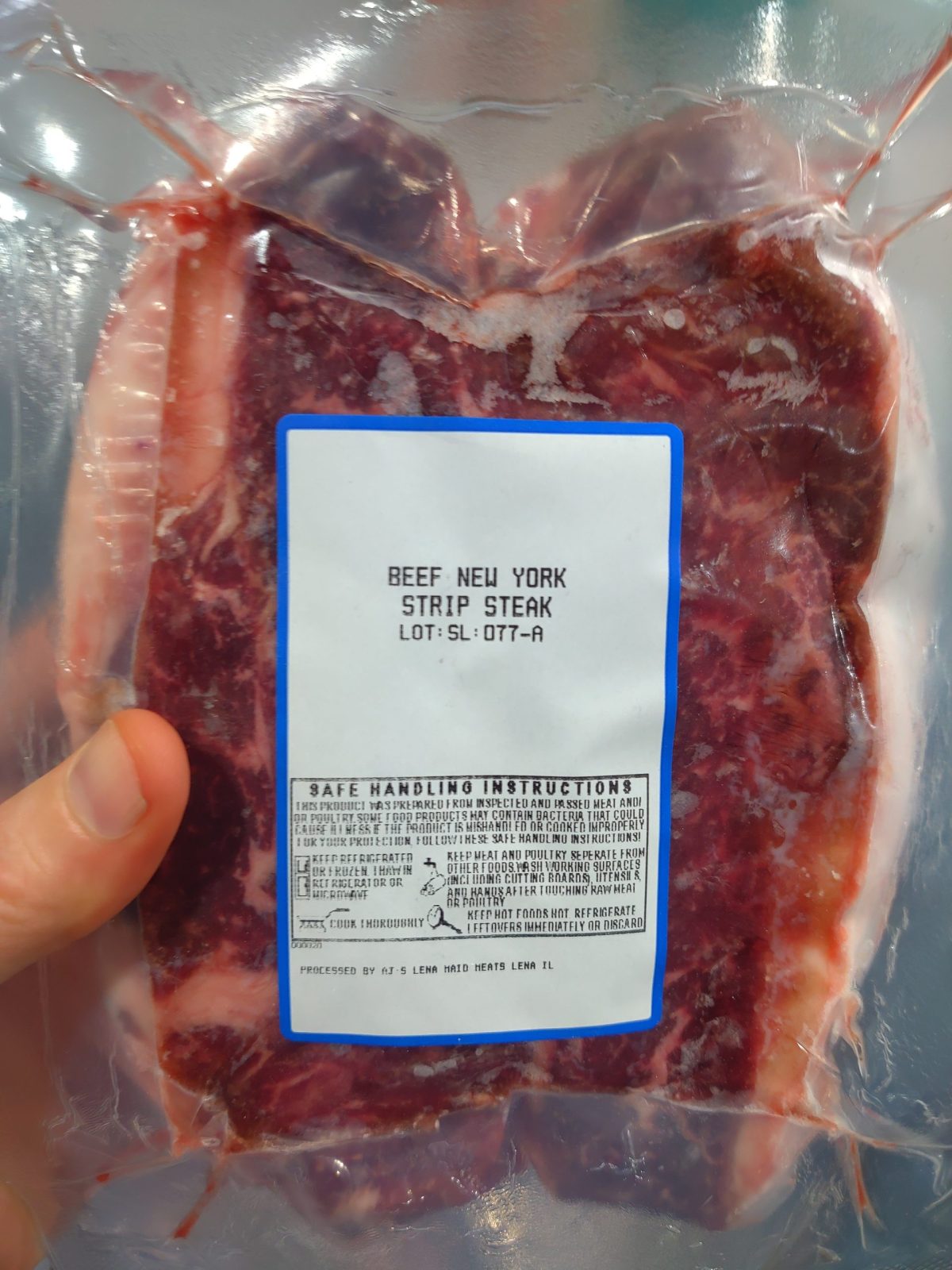
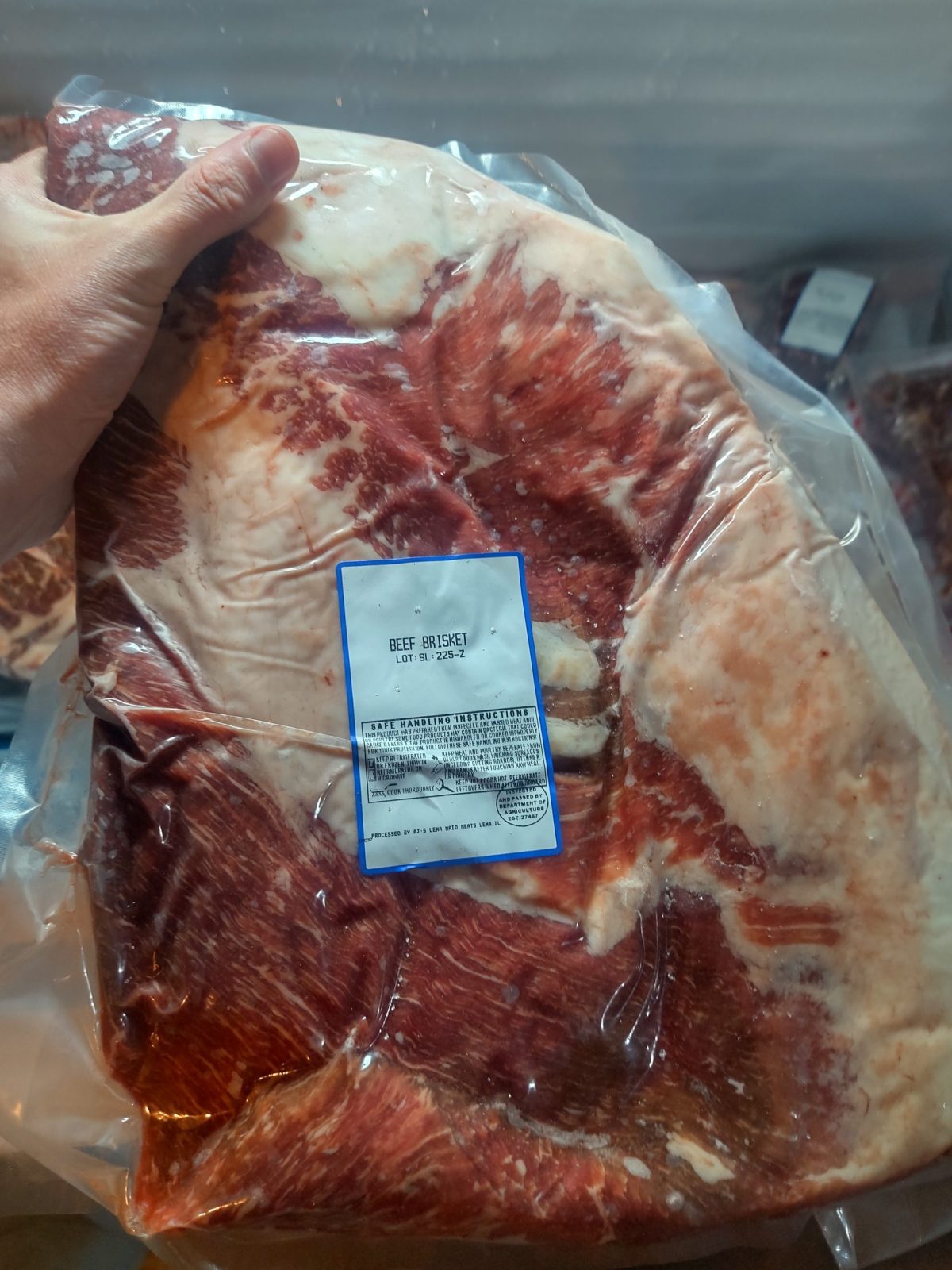
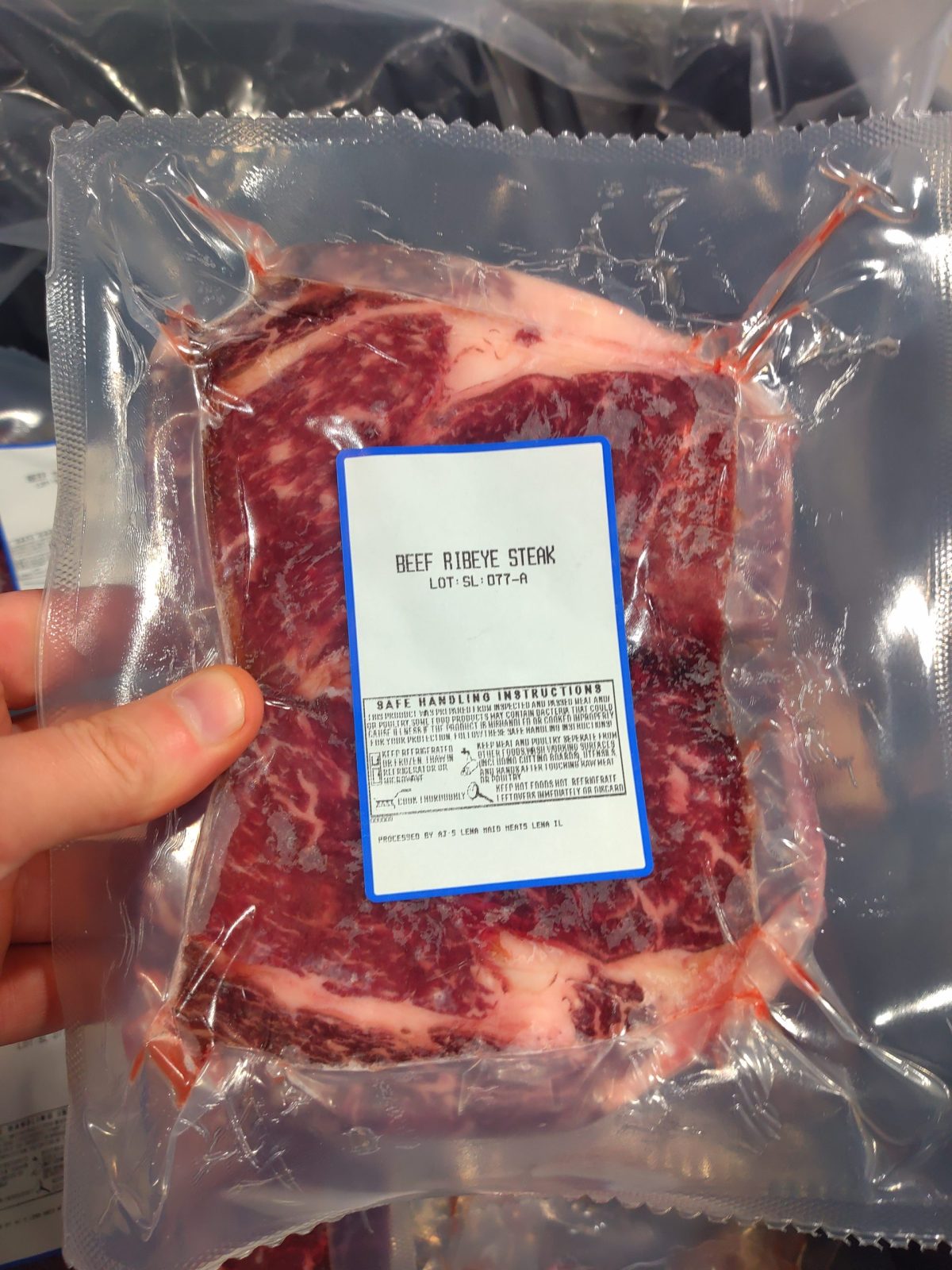
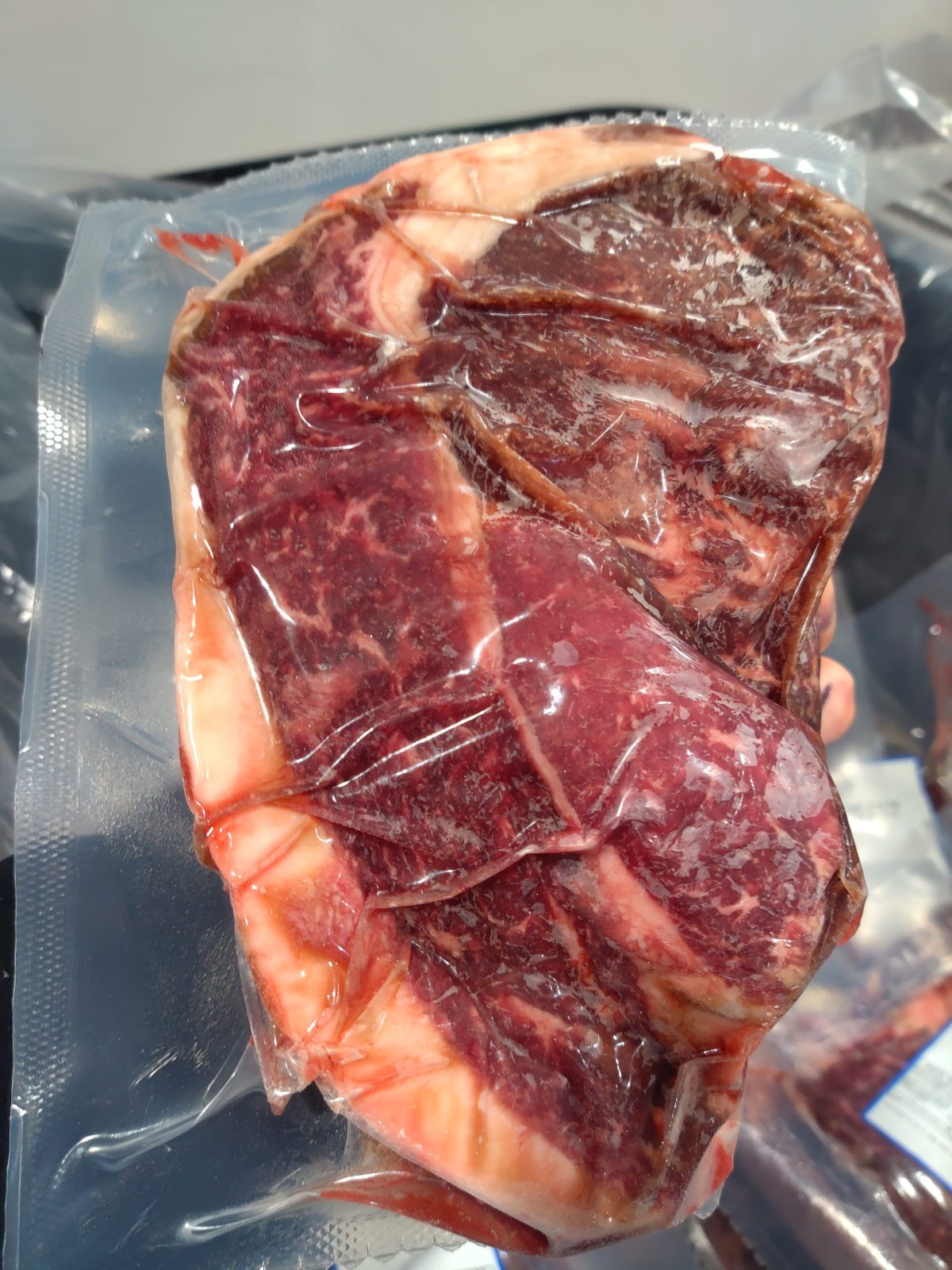
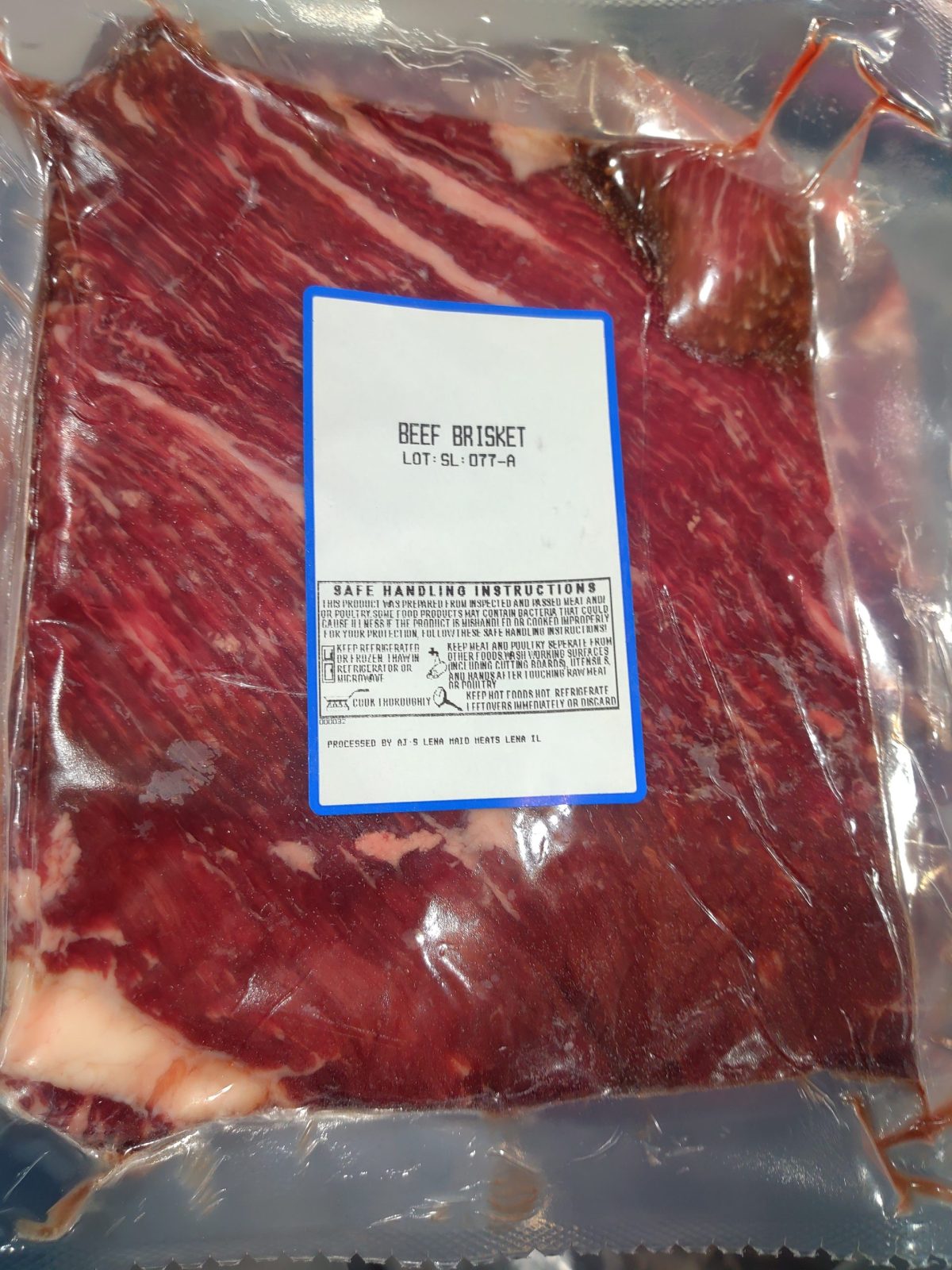
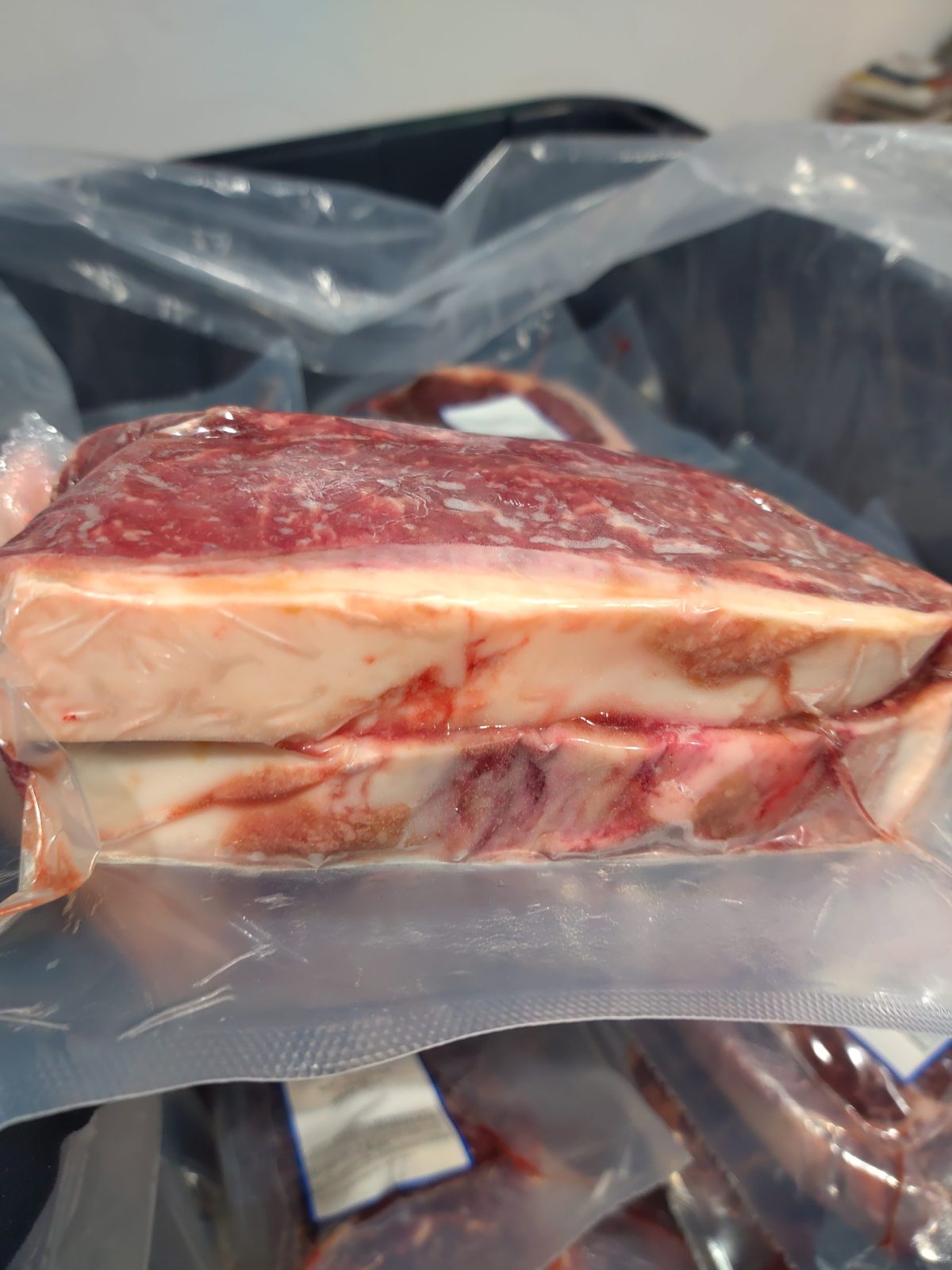
If you’re ready to experience the difference that truly farm-raised beef makes, we’d love to have you as a customer. Browse our beef bundles and bulk beef shares — and taste what 10,000 years of good farming looks like.