Buying beef in bulk, like a quarter or half cow, sounds like a smart move. Lower cost per pound. A full freezer. Fewer grocery store trips.
For most families, it is.

But after years of selling bulk beef directly to families, we’ve noticed something: most regret doesn’t come from the beef itself. It comes from unmet expectations.
Here are the five most common reasons families regret their first bulk beef purchase, and how to avoid every one of them.
1. They Didn’t Understand How the Beef Would Be Cut
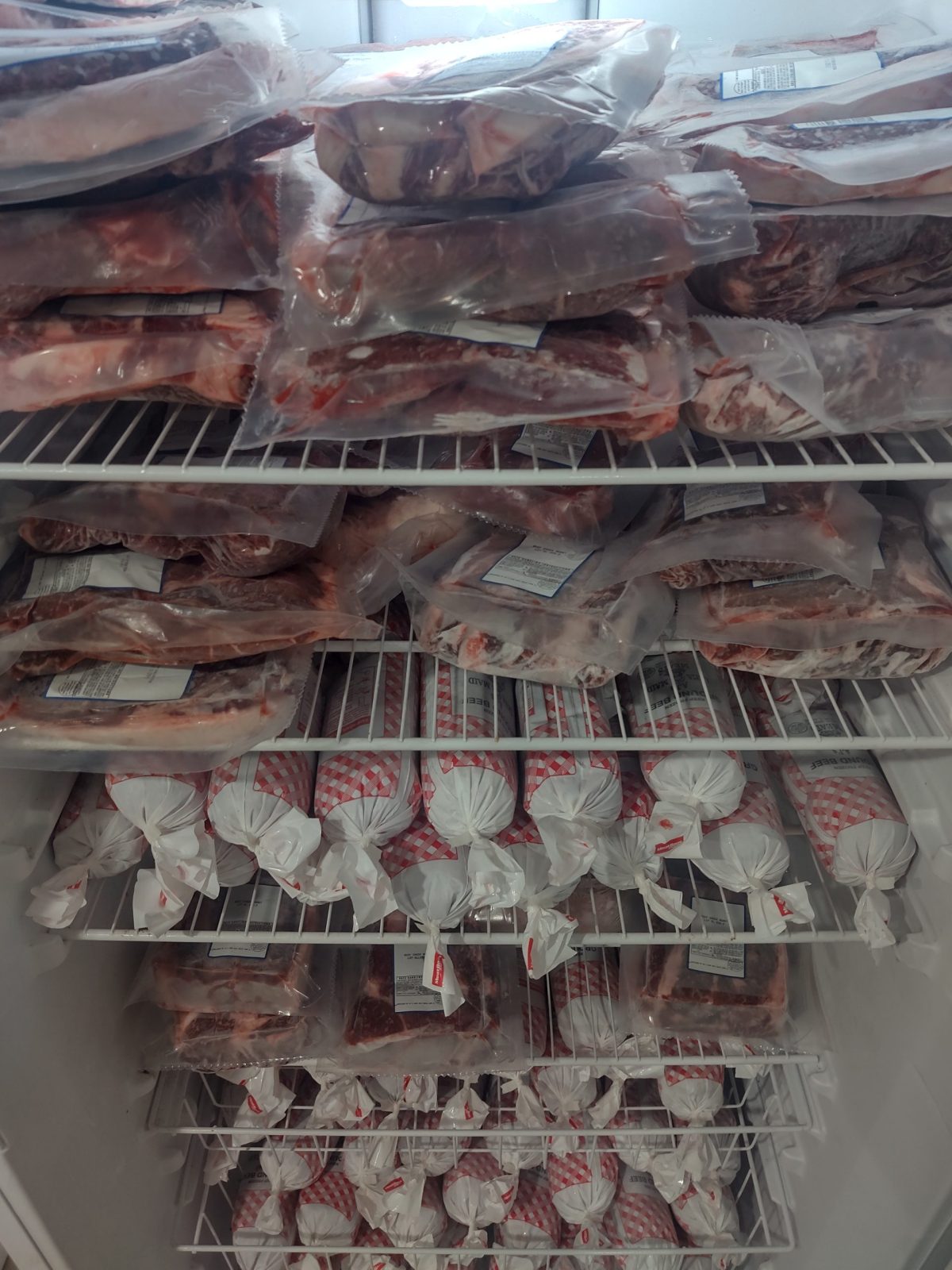
Bulk beef doesn’t arrive like a grocery store case. Instead, families receive:
- Fewer individual steaks
- Larger roasts
- Ground beef in bulk packages
- Cuts they may not be familiar with
Why this causes regret: Families expect “more steaks” and aren’t prepared for how the animal is actually broken down.
How to avoid it
Before ordering, ask:
- How many steaks typically come with a quarter or half?
- What roast sizes are common?
- Can cuts be customized?
Understanding this upfront eliminates disappointment later.
2. They Underestimated Freezer Space
Another common regret: “We didn’t realize how much space this would take.”
Why this causes regret: Families try to squeeze beef into an already-full freezer, or scramble to buy one at the last minute.
How to avoid it
Plan your freezer space before you order. If needed, buy a chest freezer ahead of time. It often pays for itself quickly.
Not sure how much room your order will actually need? Use the calculator below to see how much freezer space a quarter, half, or whole cow takes up before you buy.
Freezer fit calculator
Will your freezer hold it?
Answer three quick questions. We will tell you what fits, or what size freezer to buy.
Check the label inside the lid or door, or the owner manual.
Measure the inside of the freezer in inches.
Already in your freezer Your beef
3. They Expected Grocery-Store Pricing Simplicity
Bulk beef pricing works differently than grocery store meat. Many families are surprised by:
- Hanging weight vs. take-home weight
- Separate processing fees
- Final totals that don’t match a simple “price x pounds” estimate
Why this causes regret: The final bill feels confusing or higher than expected, even when the value is still there.
How to avoid it
Buy from a farm that:
- Explains pricing clearly
- Separates farm cost from processing
- Sets realistic expectations upfront
Transparency prevents frustration.

4. They Bought More Beef Than Their Family Actually Uses
Bulk beef is a commitment. Some families discover:
- They don’t cook beef as often as they thought
- They prefer smaller portions
- Their tastes changed over time
Why this causes regret: The freezer becomes a reminder of a purchase that doesn’t fit their lifestyle.
How to avoid it
Start smaller. A quarter cow is often a better first step than a half, especially for first-time buyers.

5. They Didn’t Know When the Beef Would Be Ready
Unlike store-bought meat, bulk beef:
- Depends on processing schedules
- May take weeks or months after ordering
- Is not immediate gratification
Why this causes regret: Families expect a faster turnaround and don’t plan meals accordingly.
How to avoid it
Ask about:
- Processing dates
- Estimated pickup or delivery timelines
- How far in advance you should plan
Good farms will tell you this clearly.
When Bulk Beef Is a Great Decision
Families who are happiest with bulk beef usually:
- Ask questions upfront
- Understand how pricing works
- Have freezer space ready
- Cook at home regularly
- Value knowing where their food comes from
Why Buy Beef Directly From a Farm?
- Consistent Quality: Better flavour, cut thicker, and packaged intentionally.
- Traceability: Knowing exactly where your food comes from.
- Peace of Mind: Supporting responsible, local agriculture.
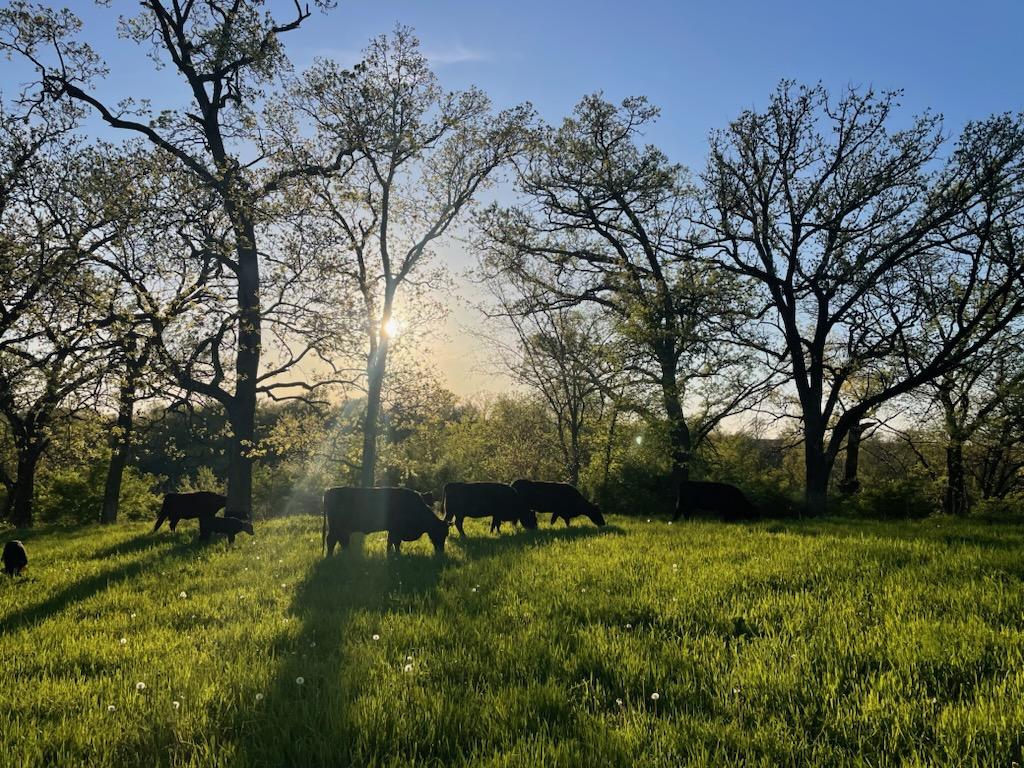
When expectations match reality, bulk beef becomes one of the best food decisions a family can make.
Are you considering buying bulk beef?
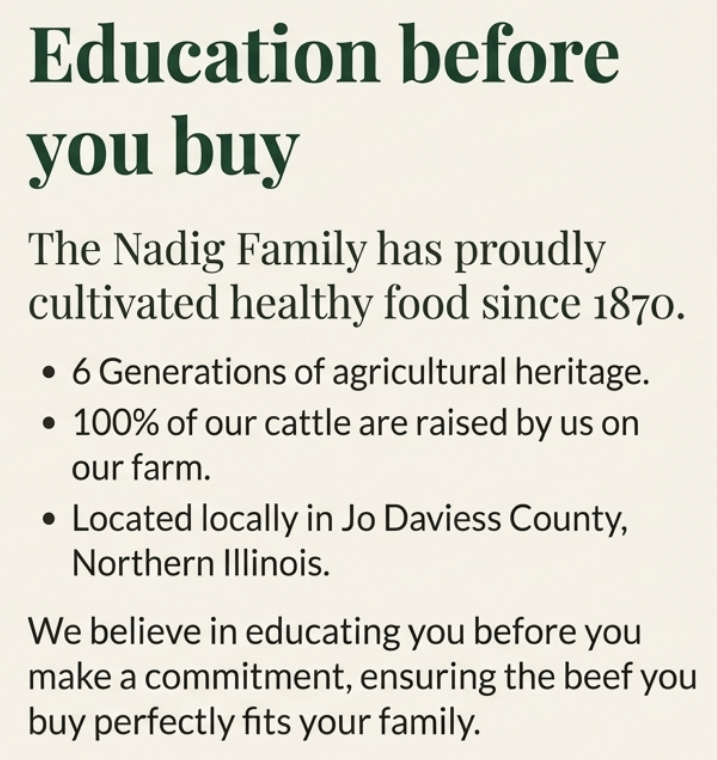
Most bulk beef regret is avoidable. The key isn’t finding “perfect beef.” It’s finding a farm that educates you before you buy, not after.

If you’re considering buying beef in bulk and want help deciding whether it’s right for your family, we’re always happy to answer questions, even if you’re just exploring.
Buying a quarter or half cow usually lowers the average price per pound compared to premium grocery store beef. However, the upfront cost is higher, and pricing includes both the farm cost and processing fees. The real value comes from quality, consistency, and knowing where your food comes from – not just the number on the receipt.
Regret usually happens when families don’t fully understand:
– How the beef will be cut
– How pricing works
– How much freezer space is required
– When the beef will be ready
Farms that take time to explain these details upfront dramatically reduce buyer regret.
– Quarter Cow: 7 to 10 cubic feet of freezer space
– Half Cow: 14 – 20 cubic feet
This varies slightly depending on packaging and cut choices. If your freezer is already full, plan to clear space or purchase a small chest freezer before your beef is ready.
That means you’ll receive a variety of steaks, roasts, and ground beef – some familiar, some less so. Many families discover new favorite cuts, but it helps to review a sample cut list before ordering so there are no surprises.
– Excess fat is trimmed
– Bones are removed
– Beef is cut and packaged
Your take-home weight is always lower than the hanging weight. This is normal and expected, but it’s a common source of confusion for first-time buyers if it’s not explained clearly.
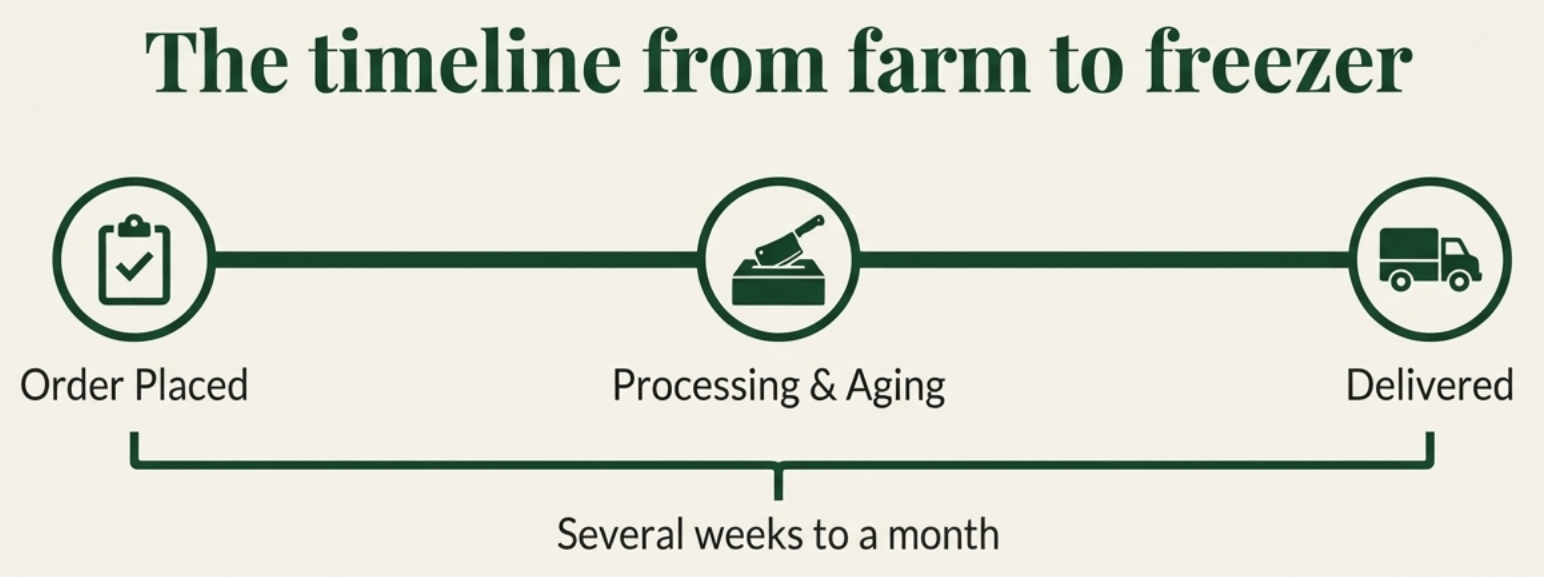
After placing a deposit or order:
– The animal is scheduled for processing
– The beef must be aged
– Cuts are prepared and packaged
This process often takes several weeks to a month, depending on processing schedules. Farms should provide estimated timelines before you order.
A quarter cow often works well for:
– Families of 2 – 4
– Households that cook beef regularly but not daily
– Buyers who want to try bulk beef before committing to a half
Families who cook frequently or want longer-term supply may prefer a half cow.
Bulk beef isn’t the right fit for everyone, and a good farm will help you decide before you buy – not pressure you into an order. Asking questions upfront is the best way to avoid regret and ensure bulk beef aligns with your family’s habits, freezer space, and budget.
– Better flavor
– More consistent quality
– Beef that’s cut thicker and packaged more intentionally
The biggest difference, however, is traceability – knowing exactly where your beef comes from and how it was raised.
– Reserve an animal for your order
– Schedule processing
– Plan inventory responsibly
They also help ensure buyers are serious, which protects both the farm and other customers. Deposit policies vary, so it’s always good to ask how they work and whether they’re refundable.